


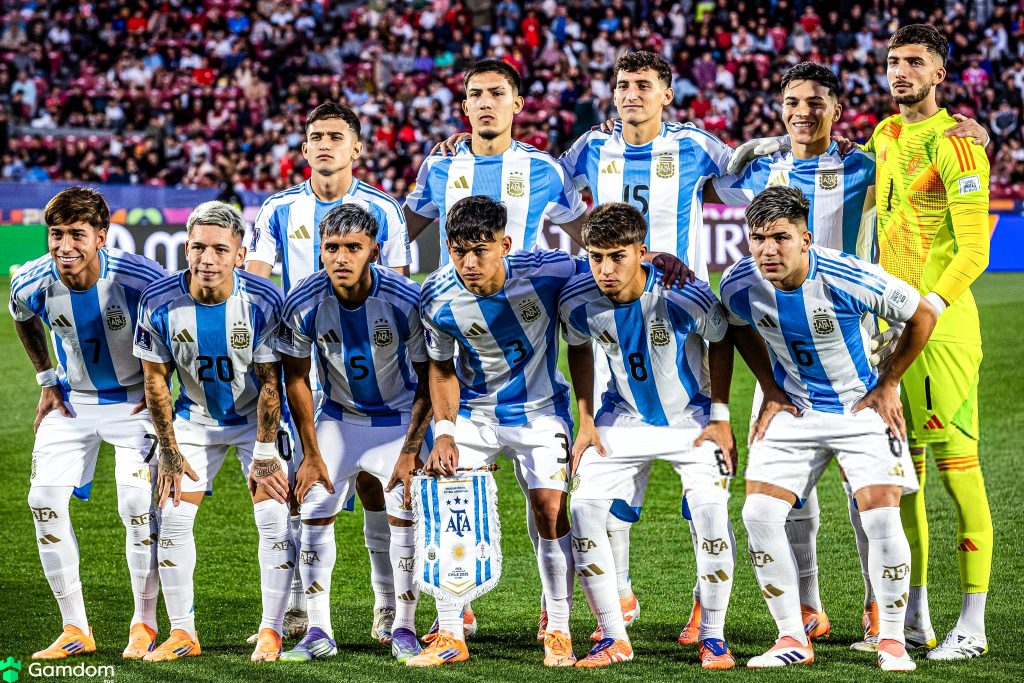
The Argentine Football Association (AFA) has officially sanctioned a drastic new policy to curb the “poaching” of youth talent by foreign clubs.
Under this regulation, any academy player who leaves an Argentine club for an overseas destination without first signing a professional contract at home will be permanently barred from representing Argentina’s youth national teams.
The move, spearheaded by AFA President Claudio Tapia, is a direct response to the controversial departure of River Plate starlet Luca Scarlato.
Scarlato recently left the Millonario academy to sign abroad by invoking Patria Potestad (Parental Authority)—a legal mechanism that allows parents to relocate their children regardless of sporting commitments.
Because Scarlato had not signed a professional deal, River Plate received no transfer fee or economic compensation.
AFA officials argue the ban is a necessary defense of the “Argentine training model.”
Local clubs invest heavily in the infrastructure required to develop world-class talent, providing housing, nutrition, and education for years.
When players leave for Europe via legal loopholes before turning 16 or 18, those clubs see zero return on investment.
Critics suggest the rule may face legal challenges regarding a minor’s right to work and move freely.
However, Tapia remains defiant, insisting that the national team shirt is a privilege reserved for those who respect the domestic ecosystem.
By leveraging the prestige of the Albiceleste, the AFA hopes to force agents and families to negotiate professional terms with local clubs before seeking a move to Europe.